
Skip to content

Dentistry (BDS / DDS)

Dentistry programmes, titled BDS or DDS depending on the country, train students in oral health, dental surgery and patient care.

Typical duration
Typically 4–5 years plus internship, depending on the country
Available in
Bangladesh, India, Georgia
Ask about Dentistry

What studying Dentistry involves

Dental programmes combine biomedical sciences with pre-clinical laboratory work and supervised clinical practice treating patients.

As with medicine, practising after graduation depends on the dental regulator in the country where you intend to work.

Important considerations

  • Check your home dental regulator's requirements for foreign graduates
  • Clinical training may require local language skills

Eligibility

  • Higher secondary qualification with Physics, Chemistry and Biology
  • Minimum marks set by the university

Academic requirements

  • Strong science grades
  • Manual dexterity is assessed by some programmes
  • English proficiency

Exact requirements are set by each university and may be affected by your home-country regulator's rules.

Where you can study Dentistry

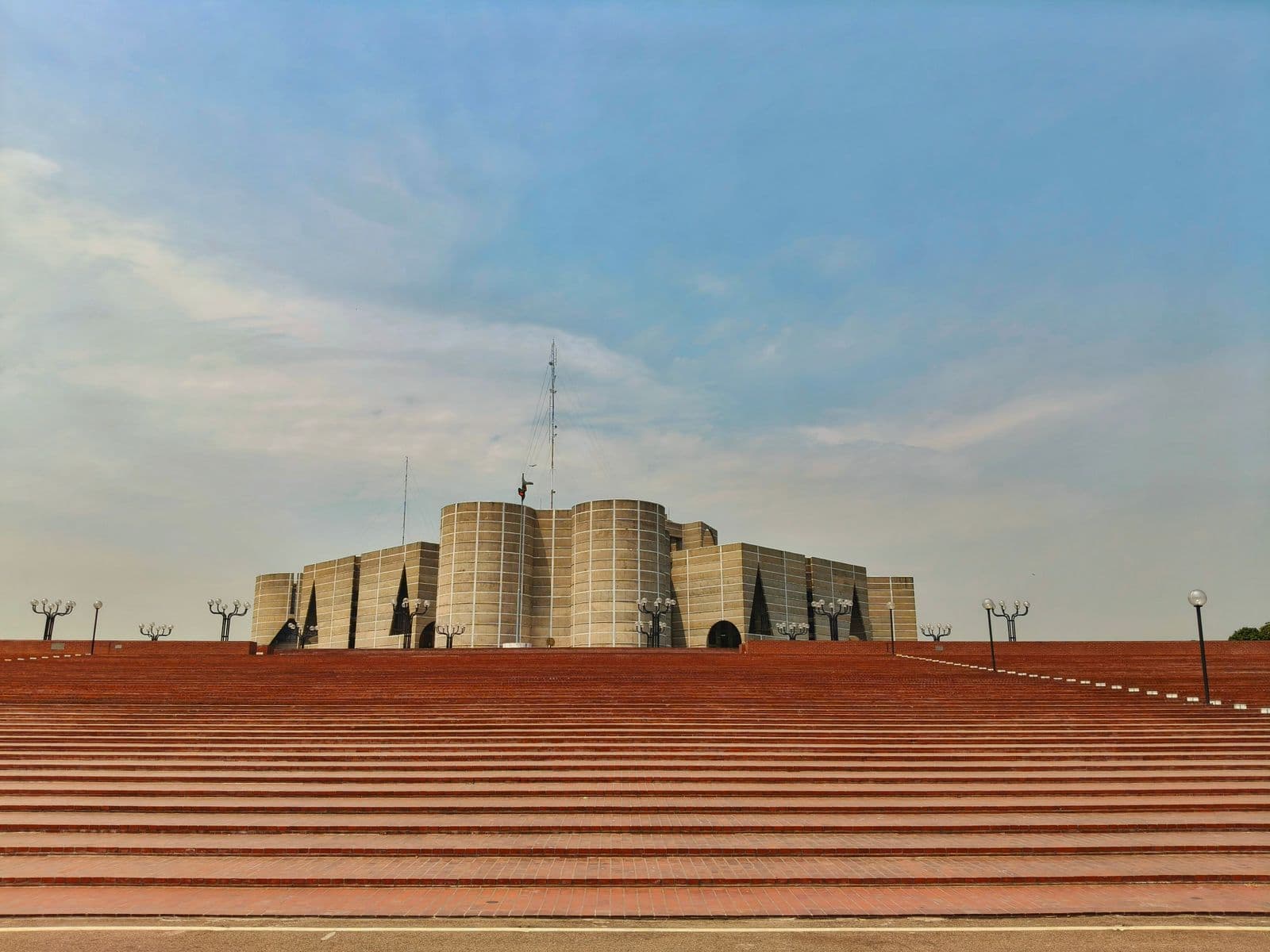
  • National Parliament House in Dhaka, BangladeshDhaka

    Bangladesh

    English-medium MBBS and BDS with a curriculum familiar to South Asian students
    Typical duration
    MBBS: typically 5 years plus a 1-year internship
    Language of instruction
    English
    Explore destination
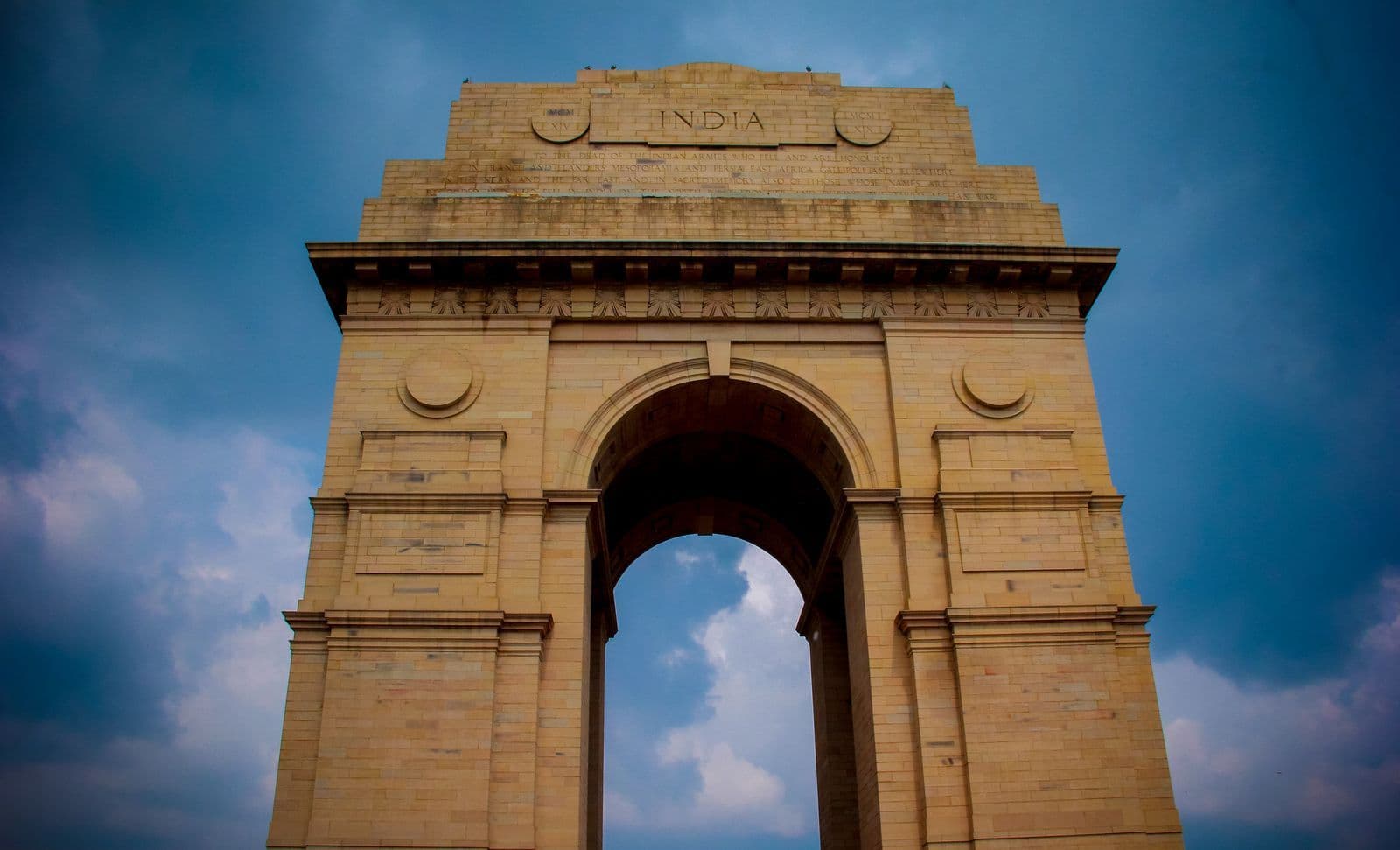
  • India Gate in New Delhi, IndiaNew Delhi

    India

    A large medical education system regulated by the National Medical Commission

    Typical duration
    MBBS: 5.5 years including a 1-year compulsory rotating internship
    Language of instruction
    English
    Explore destination
  • Rooftops of Tbilisi, GeorgiaTbilisi

    Georgia

    English-taught six-year MD programmes in a European-style system

    Typical duration
    MD: typically 6 years
    Language of instruction
    English
    Explore destination
NP

Before you apply: rules for Nepali students

  1. 1Before going abroad for a medical degree, obtain an Eligibility Letter (Eligibility Certificate) from Nepal's Medical Education Commission (MEC). MEC states it must be taken before you go.
  2. 2Eligibility is generally linked to passing MEC's bachelor-level entrance exam, MECEE-BL. The MEC FAQ describes limited exceptions. Check the current rules before relying on one.
  3. 3MEC does not issue the letter for programmes that cannot be registered with Nepal's professional council, for example programmes shorter than Nepal's equivalent.
  4. 4MEC's FAQ states that registration with the professional council follows only after applying with the Eligibility Letter.
  5. 5On return, Nepal Medical Council (NMC) conducts a licensing examination before registration.

Last checked against official sources on 17 November 2026. Rules can change, so always confirm on the official websites.

Note for Indian students

India's National Medical Commission sets rules for foreign medical graduates, including entrance-exam (NEET-UG) eligibility before studying abroad, course duration, internship and medium of instruction. Confirm the current regulations before choosing a university. National Medical Commission (India)

From first conversation to campus

  1. 01Initial Counselling
  2. 02Academic Profile Assessment
  3. 03Destination Selection
  4. 04University Selection
  5. 05Application Submission
  6. 06Admission Confirmation
  7. 07Visa Preparation
  8. 08Pre-Departure Guidance
Read the full admission guide

Dentistry questions

In most countries, yes. Requirements are set by the dental or medical regulator where you intend to practise.